Featured
Table of Contents
While brand-new debt can help you rebuild, it's crucial to room out your applications. If you have a member of the family or friend with outstanding credit history, think about asking them to add you as an authorized customer on one of their charge card. If they do it, the complete background of the account will be included in your credit scores records.
Prior to you consider financial debt settlement or bankruptcy, it's important to comprehend the prospective benefits and downsides and just how they could apply to your scenario. Both choices can minimize or get rid of huge portions of unsafe financial debt, helping you stay clear of years of unrestrainable payments.
If you're unsure that debt settlement or bankruptcy is ideal for you, here are some other financial obligation alleviation options to take into consideration. Properly will depend on your circumstance and objectives. If you have some versatility with your spending plan, here are some accelerated financial obligation settlement options you can seek: Begin by listing your debts from the smallest to the biggest equilibrium.
Not known Details About Economic Uncertainty Impacting Increased Need for Professional Help
The counselor discusses with lenders to reduced rate of interest, forgo late costs, and develop a manageable monthly payment. You make one combined settlement to the company, which after that pays your banks. While a DMP does not minimize the principal equilibrium, it helps you settle financial debt quicker and extra affordably, typically within three to 5 years.
While you can bargain with financial institutions by yourself, it's usually a complex and lengthy process, particularly if you need to deal with a big amount of financial debt throughout a number of accounts. The process requires a strong understanding of your finances and the creditor's terms in addition to self-confidence and perseverance. For this reason, there are financial obligation relief companies also referred to as financial obligation settlement firms that can manage the settlements for you.
People who enroll in financial obligation relief programs have, on average, approximately $28,000 of unsecured debt across nearly 7 accounts, according to an analysis commissioned by the American Association for Debt Resolution, which considered clients of 10 major financial obligation alleviation business in between 2011 and 2020. Concerning three-quarters of those clients had at least one financial obligation account efficiently worked out, with the typical enrollee resolving 3.8 accounts and over half of their registered financial debt.
It prevails for your credit scores rating to fall when you first begin the financial obligation relief process, especially if you quit making settlements to your financial institutions. As each debt is resolved, your credit history should begin to rebound. Make sure you recognize the overall costs and the effect on your credit rating when reviewing if debt settlement is the right selection.
Market Conditions and Growing Need Are Seeking Professional Help Things To Know Before You Get This
As pointed out over, there are choices to financial obligation settlement that may be a better fit for your economic scenario. Here's a fast breakdown of just how each option works: Financial obligation debt consolidation allows you combine several financial obligations right into one by getting a new financing to pay off your current financial obligations. This method turns multiple financial obligations into a solitary monthly repayment and typically provides a reduced rates of interest, simplifying your funds and possibly saving you money in time.
Here's exactly how every one works: Financial debt consolidation lendings: These are personal finances that you can use to resolve your existing financial debts, leaving you with simply one monthly expense, generally at a lower rate of interest price. Balance transfer charge card: This involves moving your existing credit score card equilibriums to a brand-new charge card that offers a lower rate of interest price or a promotional 0% APR for a collection duration.
Once the duration ends, rate of interest will certainly be significantly high often over 20%. Home equity loans or HELOCs (home equity lines of credit score): These finances enable you to obtain against the equity in your house. You get a lump amount or a line of credit that can be used to repay financial debts, and you generally take advantage of reduced rate of interest contrasted to unsafe lendings.
Examine This Report on Is Debt Forgiveness Right for Your Family
These strategies have numerous advantages, such as streamlining your settlements by settling multiple right into one and potentially lowering your rate of interest. They typically come with a setup cost varying from $30 to $50, and a regular monthly upkeep cost of around $20 to $75, depending on the firm you work with.
Having a great deal of financial obligation can be frustrating, yet it's still crucial to take the time to consider the information of various solutions so you understand any potential risks. The finest financial obligation plan for you relies on your monetary situation. If you're fighting with your expenses but still have not missed out on any type of payments, a financial debt management strategy may be an excellent fit especially if you don't want your credit report to storage tank.
Whichever your situation is, take into consideration talking to a certified credit history counselor, an insolvency attorney, or a certified debt professional before moving on. They can assist you get a complete understanding of your financial resources and alternatives so you're far better prepared to choose. One more aspect that affects your alternatives is the type of financial obligation you have.
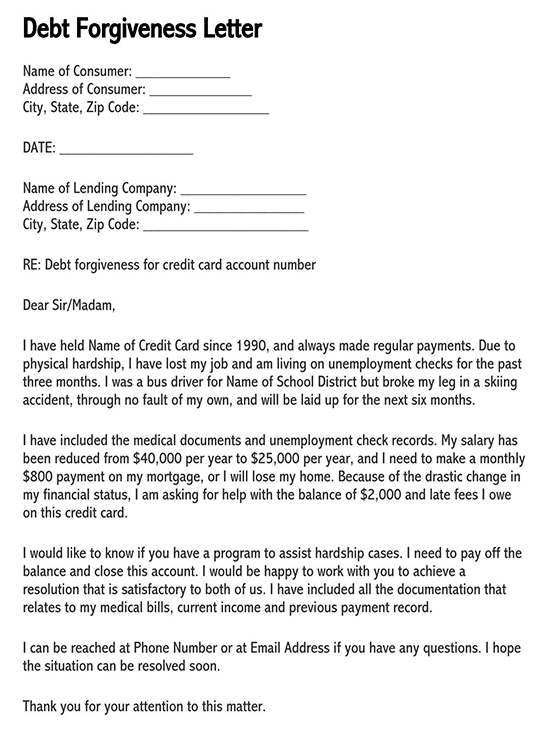
It is vital to recognize that a discharge is distinct from debt mercy, and financial debt does not obtain "forgiven" with a personal bankruptcy filing. Our West Hand Beach bankruptcy lawyers can discuss in even more information. In basic, "financial obligation forgiveness" refers to a circumstance in which a financial institution does not believe it can accumulate the total of the financial obligation owed from a debtor, and either stops attempting to accumulate or concurs to forgive a quantity less than what the borrower owed as part of a financial debt negotiation agreement.
An Unbiased View of Ways Bankruptcy Counseling Protects Your Assets

When this occurs, the debt will certainly be considered "terminated" by the IRS, and the borrower will normally receive a cancellation of financial debt create the amount of debt forgiven is taxable. In a personal bankruptcy instance, financial debt is not forgiven by a financial institution. Instead, it is discharged by the insolvency court, and discharge has a different meaning from financial debt forgiveness.

Table of Contents
Latest Posts
The Best Guide To Why When Bankruptcy Counseling Suggests Debt Management or Forgiveness Instead Can Help
How Worth vs Going It Alone Options can Save You Time, Stress, and Money.
5 Simple Techniques For Developing a Sustainable Financial Plan for Lasting Success
More
Latest Posts
The Best Guide To Why When Bankruptcy Counseling Suggests Debt Management or Forgiveness Instead Can Help
How Worth vs Going It Alone Options can Save You Time, Stress, and Money.
5 Simple Techniques For Developing a Sustainable Financial Plan for Lasting Success